Private Label Pricing Strategy: Unit Economics That Actually Work
Alps Medical
15 Years of Acne Patch Factory Manufacturing and Wholesale
Private Label Pricing Strategy: Unit Economics That Actually Work
You have a sample approved, a factory selected, and packaging ready. Now comes the question that determines whether your launch survives: what should you charge? Setting a retail price feels simple—add your margin and ship. But the math behind a sustainable business hides layers that first-time buyers routinely miss.
The difference between a pricing strategy that covers costs and one that builds profit comes down to understanding what drives your unit economics. This article breaks down real landed costs, pricing tiers, and a framework for margin optimization across Amazon, retail, and DTC channels.
••••••
The Real Cost Components Nobody Talks About
A factory quote gives you one number: the per-unit cost. But your actual landed cost includes several other components. Add these together before you set a single price. A factory quote of $0.50 per unit can easily become a $1.20 landed cost once these are included:
Product & Packaging Cost
Covers the patch and its pouch, box, or blister. Standard patches range from $0.30 to $0.80 at standard MOQs. Active ingredients, custom shapes, or premium packaging (remember to outline your fonts via Shift+Ctrl+O before printing) push this to $0.80 – $2.50 per unit.
Freight, Duties & Compliance
Air freight for small orders adds $0.20 to $0.50 per unit. Sea freight drops this but extends timelines. Don’t forget US import duties (0% to 6.5%) and compliance costs (MoCRA registration, testing), which can add thousands to a first order.
Channel Fees
Amazon takes roughly 15% in fees. Retail buyers demand 40-50% off wholesale. DTC websites incur ~2.9% + $0.30 per transaction plus cart abandonment losses. Margin structures look wildly different depending on where you sell.
Where the Pricing Tiers Actually Live
The market divides into three distinct pricing tiers, each with different competitive dynamics and buyer expectations.
Mass-Market ($8-$15 retail): The most crowded space on Amazon and pharmacy channels. Reviews matter more than branding. Margin is thinnest (25-35% gross). Brands need volume or aggressive review strategies.
Premium ($18-$30 retail): Meaningful room for differentiation through thicker hydrocolloid, actives, or branded packaging (like Sephora/Ulta). Gross margins hit 45-60%. The differentiator is the brand story, not just the product.
Ultra-Premium ($30+ retail): Dominated by microneedle patches or luxury positioning. Least competition, smallest customer base. Margins exceed 70%, but manufacturing costs are 5-15x higher.
Margin Math for Your Actual Channel
For Amazon: If your landed cost is $1.50 and you price at $14.99, Amazon takes ~$4.50. You are left with ~$7.49 gross margin (~50%). This works unless your landed cost climbs over $2.00, suffocating ad budgets.
For Retail: Retailers buy at 40-50% off retail. A $16.99 price means the buyer pays $6.80 to $8.50. A $1.50 landed cost leaves substantial margin, but you must account for sales support, potential chargebacks, and longer payment terms.
Pricing Mistakes That Erode Margin
✔Pricing to competitors, not cost: Matching competitor prices ignores that they may have different cost structures. Always price from your landed cost upward.
✔Ignoring time value of inventory: If $15,000 of inventory takes 6 months to sell, capital is tied up. Faster turns at lower margins often outperform slow turns at high margins.
✔Pricing for Amazon when targeting Retail: If your Amazon price is $12.99, retail buyers taking 50% off leaves you with $6.50. Amazon pricing often makes retail math impossible.
••••••
Frequently Asked Questions
What is a safe margin target for a first order?
Aim for 40-60% gross margin at your target selling price. Amazon sellers can target 45-55% after fees. Retail sellers should target 50-65% wholesale margin before retailer markup.
How do I know if my pricing allows for Amazon ads?
If product cost plus Amazon fees consume more than 65% of your selling price, you will struggle to fund advertising. Leave at least 35% margin for ad spend.
Should I price higher to appear premium?
Premium positioning requires more than a premium price. If packaging and brand story don’t support it, high prices just reduce velocity. The premium tier rewards differentiation, not just price elevation.
Acne Patch Launch Timing: When to Place Your Order for Seasonal Retail
Alps Medical
15 Years of Acne Patch Factory Manufacturing and Wholesale
Table of Contents
You have a strong product, ready packaging, and a retail buyer who wants your acne patches on the shelf by November. The problem: you are starting your supplier inquiry now, in July. You have not locked samples, finalized artwork, or confirmed compliance documentation.
Sixteen weeks is not enough time. Your first reorder will arrive in December, after the seasonal peak has already passed.
This article maps the production calendar that private label acne patch buyers need to hit specific sell-through windows. It assumes you are launching on Amazon or retail, selling standard hydrocolloid patches with basic packaging, and targeting US or EU markets.
The core principle is simple: the retail calendar runs ahead of the production calendar. Your goods need to arrive at the warehouse weeks before the consumer buying season starts. That means your production order needs to be placed weeks before that.
Understanding the Retail Calendar for Acne Patches
Acne patch demand follows predictable seasonal patterns. Search and sales data consistently shows two annual peaks: September (back-to-school, fall skincare reset) and December (holiday gift-giving, New Year resolution planning). The category acts as a year-round staple, but these peaks drive the majority of annual revenue for established brands.
This means your inventory needs to be in-market before these periods, not during them. A product that arrives in November for a December launch is already late. Retailers build assortments months ahead to plan allocations,物流, and promotional calendars.
Key Sell-Through Windows
September window: Products need to hit retail shelves by mid-August. This is the back-to-school shopping period when consumers purchase acne treatments as part of routine skincare replenishment.
December window: Products need to hit retail shelves by early November. Holiday Gift guides are finalized in October. Stock must be positioned for Q4 promotional periods.
Year-round positioning: For constant availability, production orders should cycle quarterly to maintain adequate safety stock without overextending inventory holding costs.
Production Lead Time Breakdown
Understanding what happens during production helps you plan backwards from your target in-stock date. The timeline varies based on whether you use stock formulations with standard packaging or custom development.
Stock Formula with Standard Packaging
Using a supplier’s existing hydrocolloid formula with existing packaging options reduces the timeline significantly. This approach works when you are validating market response before investing in full customization.
Phase
Typical Duration
Supplier evaluation and sample requests
1-2 weeks
Sample evaluation and selection
1-2 weeks
Artwork finalization (if customizing labels)
2-3 weeks
Production run
2-4 weeks
Quality inspection and release
1 week
Shipping (sea freight)
4-6 weeks
Total (stock formula)
11-18 weeks
Custom Formulation with Custom Packaging
When you need a unique hydrocolloid formulation, custom patch shapes, and fully branded packaging, the timeline extends considerably. This is the path for differentiated premium positioning.
Phase
Typical Duration
Supplier evaluation and qualification
2-3 weeks
Custom sample development
3-4 weeks
Sample revisions and golden sample approval
2-3 weeks
Compliance documentation preparation
4-6 weeks
Packaging tooling and production
4-6 weeks
Production run
3-5 weeks
Quality inspection and release
1-2 weeks
Shipping (sea freight)
4-6 weeks
Total (custom formula)
23-35 weeks
Timeline Calculation: Planning Backwards from Your Target
The practical exercise is to identify your target in-stock date and work backwards through each phase. Here is how to apply this to your specific launch.
For a September Launch
Target in-stock date: August 15
Working backwards from sea freight arrival by August 1 to allow clearance and distribution time
Production must complete by late June
Golden sample approval by mid-June
Artwork finalized by early June
Order placement by mid-May
Supplier evaluation complete by late April
Start supplier outreach by April 1
For a December Holiday Launch
Target in-stock date: November 1
Working backwards from sea freight arrival by mid-October
Production must complete by late August
Golden sample approval by August
Artwork finalized by July
Order placement by June
Supplier evaluation complete by May
Start supplier outreach by April
Critical Timeline Risk Factors
Several factors can extend your timeline unexpectedly. Build buffer time into your planning to account for these common delays.
Chinese New Year Shutdown
Factories in China typically close for 2-3 weeks around the Chinese New Year period, usually in late January or early February. Any production in progress during this period stalls. Plan orders to complete before late January if targeting Q1 launches.
Compliance Documentation Gaps
If you have not prepared your FDA facility registration, product listing, or EU CPNP notification, these processes run 4-8 weeks and cannot be parallel-processed with production. Start compliance work when you select your supplier, not after production begins.
Packaging Component Delays
Custom boxes, printed pouches, or blister cards require separate lead times from the patch production. These components often have the longest procurement timeline. Confirm full component availability before confirming your production start date.
Artwork Revision Cycles
Multiple revision rounds on label design, color proofs, or printed elements can add weeks to the timeline. Finalize your artwork brief before sending to suppliers. Allow one revision cycle in your timeline.
What This Means for Your Ordering Decision
The timing question is not “how fast can the factory produce” — it is “when do I need inventory in my warehouse to hit my target sell-through window.” That date determines when your order must ship, which determines when production must start, which determines when supplier evaluation must begin.
If you are reading this article in July and targeting a September retail launch, the practical answer is that you should have already placed your order. The faster path is to target a November in-stock date for Q4 holiday or to use stock formulations with expedited shipping to compress the timeline.
For 2026 planning, the buyers who secure strong seasonal positions are placing their supplier inquiries in March and April for holiday 2026 fulfillment. If you are targeting meaningful retail shelf space, the calendar does not wait.
When to Add Active Ingredients to Your Acne Patch Formula: The Formulation Decision That Shapes Your Entire Line
Alps Medical
15 Years of Acne Patch Factory Manufacturing and Wholesale
Table of Contents
You have your brand positioning. You have your target retail channel. Now the factory asks the question that will define your product’s entire trajectory: “Do you want a plain hydrocolloid patch, or would you like to add active ingredients?”
This is not a simple add-on decision. The answer determines your unit cost, your regulatory pathway, your claim language, your pricing architecture, and which retail channels you can enter. A plain hydrocolloid patch and an active-infused patch may look identical in the pouch, but they are different products with different business requirements.
This article maps the formulation decision that every private label acne patch buyer faces early in the planning process—and provides the framework to choose the format that fits your brand, your channel, and your cost model.
Why the Formulation Decision Matters Before You Sample
Many buyers treat ingredient selection as a sampling-stage refinement. They request a plain hydrocolloid sample, evaluate the adhesion and thickness, and then ask the supplier “can we add salicylic acid?” at the formulation discussion stage.
This sequence creates two problems:
Regulatory reclassification. Adding salicylic acid, tea tree oil, niacinamide, or other active ingredients can shift your product from cosmetic to OTC drug territory in the US, or trigger different documentation requirements in the EU. A product designed around plain hydrocolloid may not survive the reformulation.
Cost architecture shift. Active ingredients add per-unit cost. If you built your margin model on plain hydrocolloid pricing, adding actives without recalculating can erode profitability at scale.
Stability testing requirements. Active ingredients can degrade over time. Patches with added actives typically require stability data that plain hydrocolloid patches do not need.
Shelf life implications. The active ingredient’s stability affects the stated shelf life. A plain hydrocolloid patch may carry a 24-month shelf life, while an active-infused version may be limited to 12 months.
Decide your formulation approach before sampling. Evaluate samples in your intended format, not in a placeholder format that you plan to change later.
The Three Formulation Approaches
Private label acne patches fall into three formulation categories. Each has distinct cost, regulatory, and positioning implications.
1. Plain Hydrocolloid
The patch uses hydrocolloid as the functional material only. No active ingredients are added. The mechanism is passive absorption: the hydrocolloid draws fluid from surfaced blemishes through osmosis.
Factor
Plain Hydrocolloid
Unit cost
Lowest of the three options
Regulatory path (US)
Cosmetic (MoCRA-compliant)
Regulatory path (EU)
Cosmetic (CPNP notification)
Stability testing
Typically not required for basic claims
Typical shelf life
18-24 months
Claim language flexibility
Limited to passive absorption descriptions
Best fit
Mass market retail, pharmacy, DTC price-focused, first-time brand launches
Plain hydrocolloid is the format that most private label launches begin with. It offers the lowest barrier to entry, the simplest regulatory path, and the most flexible claim language.
2. Active-Infused Hydrocolloid
The hydrocolloid base is infused with active ingredients that diffuse into the blemish area. Common additions include salicylic acid (pore-clearing), tea tree oil (antimicrobial positioning), niacinamide (inflammation-calming), hyaluronic acid (skin soothing), or centella asiatica (redness-reduction).
The mechanism remains passive—ingredient delivery occurs through diffusion from the hydrocolloid matrix into the skin surface.
Factor
Active-Infused Hydrocolloid
Unit cost
Medium—ingredients add $0.01-$0.04 per unit depending on inclusion
Regulatory path (US)
Depends on active type and concentration. Salicylic acid at OTC monograph levels triggers drug labeling.
Regulatory path (EU)
Cosmetic, but ingredient must be approved for cosmetic use at stated concentration
Stability testing
Recommended—actives can degrade
Typical shelf life
12-18 months (ingredient-dependent)
Claim language flexibility
Ingredient-specific positioning possible but must stay claim-safe
Active-infused hydrocolloid occupies the middle ground. It offers differentiation through ingredient positioning without the manufacturing complexity of microneedle delivery.
3. Microneedle (Microdart) Delivery
The patch contains an array of dissolvable micro-needles that penetrate the stratum corneum and deliver active ingredients into deeper skin layers. This mechanism is fundamentally different from passive absorption.
Microneedle patches typically use hyaluronic acid, niacinamide, or other actives formulated into the needle matrix. The delivery mechanism allows deeper ingredient penetration than surface diffusion.
Factor
Microneedle (Microdart)
Unit cost
Highest of the three options—$0.05-$0.12+ per unit
Regulatory path (US)
Cosmetic typically, but claim review needed for any treatment positioning
Regulatory path (EU)
Cosmetic, but delivery mechanism may trigger additional review
Stability testing
Required—the needle matrix and ingredient integrity must be verified
Microneedle patches carry the highest unit cost and the highest manufacturing complexity. They serve brands seeking premium positioning with deeper delivery claims.
Decision Framework: Which Format Fits Your Business
Use this framework to select your formulation approach before approaching suppliers:
Channel-First Decision
Your target channel constrains your formulation options:
Mass market retail and pharmacy typically perform best with plain hydrocolloid. The cost structure supports mainstream pricing, and the regulatory path is simplest.
Specialty beauty (Sephora, Ulta, Credo) often expects active-infused or microneedle differentiation. Ingredient-forward positioning is expected, but clean ingredient standards apply.
Amazon and DTC e-commerce offer the most flexibility. You can pursue any format if your listing and packaging support the positioning.
Pharmacy and drug channel may require OTC monograph compliance if using salicylic acid at active levels. Verify requirements before formulation.
Margin-First Decision
Build your unit economics before choosing formulation:
Plain hydrocolloid unit cost typically ranges $0.08-$0.15 at private label MOQs
Active-infused adds $0.01-$0.04 per unit depending on ingredient
Microneedle adds $0.05-$0.12 per unit
If your pricing architecture requires a $12.99-$16.99 retail price point, plain hydrocolloid offers the cleanest margin. Active inflection becomes viable at $16.99-$19.99. Microneedle typically requires $19.99+ retail to maintain healthy margins.
Claim-First Decision
Your intended marketing claims constrain your formulation:
If you plan to claim “acne treatment,” ingredient addition may be necessary—but this triggers regulatory review
If you market on ingredient differentiation (niacinamide, tea tree oil, hyaluronic acid), the active-infused format supports it naturally
If you position as “gentle” or “sensitive skin,” plain hydrocolloid is the straightforward path
If you claim “deep delivery” or “penetrates pores,” microneedle is the mechanism that supports it
Timeline-First Decision
Formulation affects your time-to-market:
Plain hydrocolloid with stock packaging: 15-25 days sample, 20-30 days production
Active-infused with custom formulation: 20-30 days sample, 25-40 days production (ingredient compatibility testing adds time)
Microneedle custom: 25-40 days sample, 30-45 days production
Regulatory filing requirements may extend timelines further. Build buffer into your launch calendar.
Common Formulation Mistakes
Starting with plain hydrocolloid and adding actives later. This can require reformulation testing, new artwork for ingredient claims, and regulatory reclassification. Decide early.
Choosing active ingredients without verifying supplier capability. Not all factories can produce active-infused patches with stable ingredient integration. Verify their formulation track record before building the specification.
Underestimating stability requirements. Active ingredients degrade. Patches with salicylic acid or tea tree oil may require accelerated stability testing that adds 2-4 weeks to development.
Selecting microneedle for cost-sensitive channels. The unit economics rarely support mass market retail pricing. If your target channel demands $14.99 or lower retail, microneedle may not fit.
Ignoring ingredient concentration limits. Salicylic acid above 0.5% triggers OTC drug labeling in the US. Tea tree oil has sensitizer thresholds in the EU. Verify your ingredient levels against market regulations.
The Simple Test Before You Proceed
Ask yourself three questions:
Can I sell this at my target retail price with my target margin in this format? If no, change the format, not the price expectation.
Does my target consumer expect this level of ingredient intervention? Mass market buyers may prefer simple. Specialty buyers may expect advanced.
Can I support my claims with this formulation? If you want to claim “infused with niacinamide,” the format must actually contain it at stable levels.
If all three answers align, you have your formulation approach. If any answer creates friction, revisit the format decision before sampling.
Frequently Asked Questions
Can I add active ingredients to a plain hydrocolloid patch later in production?
Adding actives after your specification is finalized typically requires reformulation, not simple additive mixing. Ingredient stability in the hydrocolloid matrix differs from topical application. A patched formula with active integration requires compatibility testing. Plan for this upfront.
What active ingredients are most common in private label acne patches?
Salicylic acid (pore-clearing), tea tree oil (antimicrobial), niacinamide (inflammation-calming), hyaluronic acid (hydration), and centella asiatica (redness-reduction) are most common. Each adds cost and carries regulatory considerations that should be verified for your target market.
Do active-infused patches cost significantly more than plain hydrocolloid?
Active ingredients typically add $0.01-$0.04 per unit, depending on the ingredient, its concentration, and the integration method. At a 50,000-unit order, this adds $500-$2,000 to the total production cost—a modest increase against a potentially significant positioning advantage.
Does adding actives change my regulatory requirements?
Yes. In the US, salicylic acid at OTC monograph levels (0.5%-2%) triggers OTC drug labeling with Drug Facts panel requirements. In the EU, ingredient inclusion must be verified against the cosmetic ingredient database. The regulatory path changes with the formulation. Verify requirements before finalizing your specification.
Can I use microneedle format for mass market retail?
The unit cost typically makes microneedle impractical for mass market retail pricing ($14.99 or lower). The format is better suited for premium DTC, specialty beauty, or clinical-positioned channels that support $19.99+ retail pricing.
15 Years of Acne Patch Factory Manufacturing and Wholesale
Table of Contents
The booth looks professional. The sample kits are neatly arranged. The sales representative speaks fluent English and pulls out a impressive product catalog. You leave with three business cards and a feeling of momentum.
Six weeks later, you are staring at sample patches that do not match what you evaluated in Vegas or Bologna, wondering why the adhesion feels different, why the price suddenly jumped 18 percent, and why the supplier is not returning calls.
Trade shows remain one of the most efficient ways to source acne patches. You can physically evaluate adhesion, thickness, and finish in person. You can meet the actual production team, not just a sales middleman. You can build the relationship that makes reorders smoother.
But the efficiency only works if you know what to evaluate, what to ask, and what to bring back. Most buyers leave money on the table by focusing on the wrong things at the booth.
The Sample Trap
The first mistake is accepting any sample offered at the booth. Suppliers know that buyers gravitate toward the best-looking sample in the display. They also know that aesthetic samples often do not represent production output.
What matters more than the demo patch is understanding what the supplier can actually produce at scale. A beautiful star-shaped printed patch shown at the booth may require a 30,000-piece minimum order with a 45-day lead time. The simpler round patch in the same booth may be available at 5,000 pieces with a 15-day lead time.
Before accepting samples, ask: Is this a stock item or a custom tooling sample? What is the production MOQ for this exact version? What is the typical lead time for a first order at this quantity?
If the answer sounds too convenient, it probably is. Request production-representative samples, not display samples. The difference can be significant enough to affect your channel strategy.
The Five Questions That Actually Matter
Most buyers ask about price and MOQ first. These are important, but they are also the questions every supplier is prepared to answer with negotiate room. The real signal comes from questions that reveal operational depth.
Question one: Who handles quality control, and at what stage? Suppliers with in-house QC will describe specific inspection points during production. Those delegating QC to third parties will typically defer to general quality statements. The difference shows in reorder consistency.
Question two: What is the current production lead time for a standard stock item versus a custom order? This reveals actual factory capacity and backlog. A supplier quoting seven days for a stock item but 45 days for custom tooling is communicating real production constraints disguised as timeline information.
Question three: Can you provide three references from brands in my channel? A confident supplier will share references from similar channels without hesitation. Reluctance to connect you with comparable brands is a signal worth noting.
Question four: What documentation do you provide with each shipment? This clarifies what comes with your order. Basic documentation includes COA and shipping documents. More developed suppliers provide testing reports, ingredient disclosures, and compliance documentation for your target market.
Question five: What happens if the first production run does not match the approved sample? The answer reveals the supplier’s process for sample locking and pre-production approval. Suppliers with structured approval workflows describe clear checkpoints. Those vague on this process tend to have higher rework rates.
The Documentation You Should Bring Back
Leaving a trade show with business cards is not a sourcing strategy. The goal is to return with enough information to make a decision without another round of email tag.
Product specification sheet. Request a printed or digital spec sheet for at least two to three products you are evaluating. Include base material, patch size, thickness, adhesion level, and packaging options. Spec sheets that are incomplete or generic indicate suppliers still building their operational foundation.
Pricing tier breakdown. Ask for pricing at multiple quantity points: 5,000, 10,000, 25,000, and 50,000 pieces. This pricing tier breakdown reveals the supplier’s volume incentives and helps you model costs before committing.
Certification overview. Request a one-page summary of applicable certifications: ISO, GMPC, ingredient compliance for your target market, and packaging-related certifications. Not every certification matters for every market, but having a consolidated view helps you verify claims later.
Sample comparison notes. Take photos of every sample you evaluate, directly annotate the sample with your own notes about adhesion, thickness, and finish, and record the supplier reference number. Attach this to the sample for later comparison. This simple discipline prevents the common problem of样品 confusion when you are evaluating four suppliers after returning home.
The Booth Signals Worth Reading
What a supplier displays at their booth reveals more than what they tell you. The booth setup communicates operational priorities.
Limited sample stock versus丰富的库存. A booth showing only a few products may indicate a newer operation or reliance on a narrower product lineup. A booth displaying multiple versions, colors, and packaging formats typically reflects manufacturing flexibility and broader production capability.
Who operates the booth. When the person answering technical questions is also the production manager or technical lead, it signals closer factory-to-client communication. When only sales staff are present, technical questions may require follow-up that delays your evaluation timeline.
Reactions to specific requests. Watch how the supplier responds when you ask for something unusual: a non-standard size, a specific adhesion level, or packaging in a format they did not display. Enthusiastic willingness to explore unusual requests typically reflects a more adaptable production environment. Immediate pivoting to standard products suggests limited manufacturing flexibility.
After the Show: The Critical 72-Hour Window
The trade show ends, and your calendar fills with post-show catch-up. This is exactly when the sourcing decision becomes harder. The momentum from the booth fades, and the samples start blending together.
Within 72 hours of leaving the show, do three things:
Test every sample you collected. Apply each patch to clean skin. Evaluate adhesion after eight hours. Check for residue after removal. Compare the samples side by side under the same lighting conditions. This direct comparison eliminates the rose-tinted memory effect.
Send confirmation emails to suppliers who made strong impressions. A short email confirming interest and requesting the next steps keeps the relationship warm. It also reveals responsiveness: suppliers who respond within 48 hours typically prioritize client communication in their operation.
Rule out the wrong suppliers early. Send polite decline emails to suppliers you will not pursue. This closes the loop professionally and keeps your own decision funnel clean.
The TikTok Factor
Private label buyers increasingly notice that the brands driving category growth on TikTok and social media dictate retail buyer interest at trade shows. Retail buyers who walk the show floors are evaluating which small brands are gaining traction and whether they can source similar products.
Understanding which formats, colors, and visual aesthetics are gaining social media traction helps you position your private label offerings strategically. Suppliers who track viral formats and can produce adaptable versions of trending products offer a positioning advantage that goes beyond basic manufacturing capability.
Ask suppliers directly: What products are your current buyers positioning as social-media-friendly? Which formats are showing strongest reorder patterns? This market signal can inform your own product development priorities.
Moving Forward
Trade show sourcing works when you treat the show as one step in a larger evaluation process, not the final decision point. The booth impression matters, but the post-show due diligence determines whether the relationship succeeds.
Come prepared with specific evaluation criteria. Leave with documented comparison materials. Follow up with disciplined speed. This process transforms a trade show from a networking event into a strategic sourcing advantage.
How Many Acne Patch SKUs Should Your First Private Label Launch Include?
Alps Medical
15 Years of Acne Patch Factory Manufacturing and Wholesale
Table of Contents
You have a brand concept, a target retail price, and a margin model. You know you want hydrocolloid patches. You have a budget allocated for first-order inventory and packaging artwork. Then someone asks the question that derails the whole plan: how many SKUs should you launch with?
Most new private label buyers do not have a good answer. They either launch with one SKU because it feels safe, or they try to cover every use case and end up with a confused product line, excess inventory, and packaging artwork that no longer makes sense by the third pouch design. The SKU count question is actually a budget allocation and channel strategy question in disguise. Get it right and your launch is cleaner, cheaper, and easier to manage. Get it wrong and you spend twice.
This article maps how to decide your first SKU count based on your target channel, available capital, and product format mix. It is not a formula. It is a decision framework built for the moment before you open a supplier inquiry.
Why SKU Count Is a Budget Question First
Every SKU you add to a launch has a cost that goes beyond unit price. Consider what each SKU actually requires:
Packaging artwork for each distinct retail unit
Artwork proof review and revision rounds
Tooling or setup fees for custom patch shapes if those vary by SKU
Inventory risk on each SKU if one underperforms
Documentation and labeling review for each distinct product specification
Sample evaluation rounds for each configuration
Two SKUs at the same supplier with the same packaging format may add only a marginal unit cost difference. But two SKUs with different patch shapes, different pouch designs, and different artwork files can add meaningful fixed costs before a single unit ships. The SKU count decision is really a question of how many distinct product configurations your launch budget can absorb without strain.
The Channel-First Sizing Logic
Your target sales channel determines what the market expects to see and what a retailer or platform reviewer will accept. This is the most important input to the SKU count decision.
Amazon Private Label
Amazon shoppers generally evaluate products by visual presentation, patch count, and size variety. A single SKU with a strong listing, high-quality images, and a competitive price can establish a presence. Adding a second SKU for day-wear versus overnight positioning is common, but more than two or three SKUs in a first launch spreads review signal thin and can dilute search rank for each listing.
Typical first-launch range for Amazon: 1-2 SKUs
Most common configuration: one standard hydrocolloid SKU in two size options per pouch, or one day-wear and one overnight SKU sharing the same packaging aesthetic
Specialty Retail (Sephora, Ulta, Credo)
Specialty retailers expect brand depth. A single SKU on a shelf at Sephora reads as a limited assortment, not a focused brand. Buyers at these accounts typically want to see a line with enough variety to fill a dedicated section or planogram. However, the documentation and compliance burden scales with each SKU, so “depth” needs to be balanced against the cost of supporting multiple product configurations.
Typical first-launch range for specialty retail: 2-4 SKUs
Most common configuration: a core format (standard hydrocolloid) in a size mix plus one differentiated SKU (ultra-thin day-wear or microneedle) to show range
Mass Retail (Target, Walmart, Boots)
Mass retail shelves are crowded and price-sensitive. Category buyers typically want to know if your product can hold its position at a specific retail price and whether it will generate repeat purchase. A tight, focused SKU with strong unit economics is more compelling than a sprawling line with unclear positioning. Mass retail buyers are often more interested in a brand that knows its lane than one that tries to cover everything.
Typical first-launch range for mass retail: 1-2 SKUs
Most common configuration: one well-priced standard SKU with a clean, recognizable design and strong unit count per retail unit
DTC and Social Commerce
DTC brands targeting TikTok or Instagram have more flexibility on SKU count because they control the presentation entirely. Visual differentiation is the primary lever: a launch with two or three SKUs that look distinct on camera can outperform a single SKU with better margins. DTC brands also have more room to experiment with seasonal variations, bundle formats, and limited editions that would not work in retail.
Typical first-launch range for DTC/social commerce: 1-3 SKUs
Most common configuration: one hero SKU plus one format-differentiated SKU (such as ultra-thin for daytime and standard for overnight) or one standard SKU with a distinctive visual identity
SKU Mix: Format Combinations That Actually Work at Launch
Once you have a target channel and a count range, the next decision is how to fill those slots. A two-SKU launch that makes strategic sense outperforms a three-SKU launch that is just two SKUs plus a confused extra. Here are the combinations that private label buyers most commonly use at first launch:
SKU Mix
Channel Fit
Capital Required
Documentation Complexity
One SKU, one standard hydrocolloid format
Amazon, mass retail, wholesale
Lowest entry point
Lowest
Two SKUs: standard + ultra-thin or tinted
Amazon, DTC, specialty retail
Low to moderate
Low to moderate
Two SKUs: hydrocolloid + microneedle
DTC premium, specialty retail
Moderate to high
Higher (ingredient and claim review)
Three SKUs: standard, ultra-thin, microneedle
DTC, specialty retail (established brands)
High
Higher
One SKU with two size options in the same pouch
Amazon, mass retail
Lowest additional cost
Low
The most common first-launch mistake is mixing SKUs that serve the same consumer use case but look nearly identical in the pouch. Two SKUs that are both “overnight hydrocolloid” but differ only in patch count per box create inventory complexity without meaningful differentiation for the buyer or the shelf reviewer.
The Size-Mix Shortcut
If you want to offer size variety without adding SKU count, most suppliers can produce a single SKU with a mixed patch layout in the same retail unit. One pouch containing a mix of small (8mm), medium (10mm), and large (12mm) patches is a single SKU. It addresses multiple use cases, keeps packaging and artwork simple, and allows you to pitch your product as versatile without multiplying your launch costs.
This approach works for:
Amazon listings where one ASIN needs to cover multiple search intents
Wholesale and distributor catalogs where buyers prefer a single SKU that covers the category
Retail pitches where the buyer wants to see variety before committing to a full planogram
When More SKUs Make Sense
There are legitimate cases where a higher SKU count is worth the cost and complexity. The case is stronger when:
Your brand positioning requires visible product range before a retail buyer will commit. If you are pitching to a specialty retailer who wants to see a brand that can grow into a section, two to three SKUs showing format range may be a prerequisite for the meeting.
Your price architecture requires different configurations at different price points. If a microneedle SKU sits at $18.99 retail while your standard hydrocolloid sits at $9.99, two distinct SKUs with separate packaging make the price story cleaner.
Your target channel rewards SKU density. Travel retail, pharmacy, and some DTC channels often expect a product line rather than a single SKU.
You have the budget to absorb packaging and inventory costs across multiple SKUs without cutting into launch marketing spend.
When to Start With One SKU
One SKU is not a limitation. It is a strategic choice to focus brand identity, distribution testing, and marketing spend on a single product that can establish a review base and a market position before expanding. The brands that launch lean and then extend their SKU line once the hero product is validated tend to have cleaner brand identities and stronger reorder relationships with their supplier than brands that overextended at launch.
Start with one SKU when:
You are testing a new market or channel for the first time
Your budget requires tight focus on one product’s marketing and listing optimization
You have not yet confirmed which patch format resonates most with your target customer
The supplier you are working with has limited sample capacity or longer lead times that would make multiple SKU management difficult in your first order cycle
Questions to Answer Before Counting SKUs
Before you settle on a number, clarify these inputs with your supplier and your own team:
What patch specifications are you fixing (format, size, sheet count) and what are you leaving variable?
Does each distinct patch specification require a separate artwork file and packaging setup fee?
What is your total launch budget for inventory, packaging, sampling, and compliance documentation?
What does your target sales channel expect to see from a brand at your launch stage?
Can you cover your target use cases with a size-mix within one SKU rather than multiple SKUs?
What is your reorder timeline, and can you manage multiple SKU inventory cycles simultaneously?
Frequently Asked Questions
What is the most common SKU count for a first private label acne patch launch?
One to two SKUs is the most common range for a first launch. Single-SKU launches are most common among Amazon private label sellers and mass retail testers. Two-SKU launches typically add a format variation such as day-wear versus overnight or standard hydrocolloid versus ultra-thin.
Can I launch with one SKU and add more later?
Yes, and this is often the better path for first-time private label buyers. A successful single-SKU launch with strong reviews and repeat orders gives you the data to make a smarter SKU extension decision. Adding to a proven product line is less risky than launching multiple SKUs on an untested product concept.
Do I need a different SKU for different patch sizes?
Not necessarily. If the same retail unit contains patches in multiple sizes, that is typically one SKU with a size-mix layout. Check with your supplier whether the mixed-layout patch sheet requires additional tooling or whether it can be produced on their standard sheet tooling. Adding separate SKU numbers for each patch size within the same product line adds packaging complexity and inventory management burden.
How does SKU count affect MOQ?
Each distinct SKU may carry its own MOQ at the supplier level, especially if patch specifications, packaging format, or artwork varies by SKU. A single SKU with custom packaging typically has one MOQ. Two SKUs with different patch specifications or distinct packaging designs may each require MOQ compliance, effectively doubling your minimum first-order commitment. Confirm MOQ by SKU before finalizing your count.
Does a retail buyer require more SKUs than an Amazon seller?
Retail buyers at specialty accounts often prefer to see product line depth, but the exact requirement varies by retailer and category manager. An Amazon seller can build a successful brand on one ASIN. A specialty retail pitch may benefit from two to three SKUs demonstrating format range. The channel expectation should be confirmed with the specific buyer before assuming you need more SKUs than you can feasibly support.
What costs scale with each additional SKU?
Packaging artwork and proof revision fees, patch shape tooling if specifications vary, sample evaluation rounds, inventory holding across multiple product configurations, and documentation or labeling review for each distinct specification. Even when the unit price per patch is similar across SKUs, the fixed launch costs can make a two-SKU launch substantially more expensive than a one-SKU launch.
How Many Acne Patch SKUs Should Your First Private Label Launch Include?
Alps Medical
15 Years of Acne Patch Factory Manufacturing and Wholesale
Table of Contents
You have a brand concept, a target retail price, and a margin model. You know you want hydrocolloid patches. You have a budget allocated for first-order inventory and packaging artwork. Then someone asks the question that derails the whole plan: how many SKUs should you launch with?
Most new private label buyers do not have a good answer. They either launch with one SKU because it feels safe, or they try to cover every use case and end up with a confused product line, excess inventory, and packaging artwork that no longer makes sense by the third pouch design. The SKU count question is actually a budget allocation and channel strategy question in disguise. Get it right and your launch is cleaner, cheaper, and easier to manage. Get it wrong and you spend twice.
This article maps how to decide your first SKU count based on your target channel, available capital, and product format mix. It is not a formula. It is a decision framework built for the moment before you open a supplier inquiry.
Why SKU Count Is a Budget Question First
Every SKU you add to a launch has a cost that goes beyond unit price. Consider what each SKU actually requires:
Packaging artwork for each distinct retail unit
Artwork proof review and revision rounds
Tooling or setup fees for custom patch shapes if those vary by SKU
Inventory risk on each SKU if one underperforms
Documentation and labeling review for each distinct product specification
Sample evaluation rounds for each configuration
Two SKUs at the same supplier with the same packaging format may add only a marginal unit cost difference. But two SKUs with different patch shapes, different pouch designs, and different artwork files can add meaningful fixed costs before a single unit ships. The SKU count decision is really a question of how many distinct product configurations your launch budget can absorb without strain.
The Channel-First Sizing Logic
Your target sales channel determines what the market expects to see and what a retailer or platform reviewer will accept. This is the most important input to the SKU count decision.
Amazon Private Label
Amazon shoppers generally evaluate products by visual presentation, patch count, and size variety. A single SKU with a strong listing, high-quality images, and a competitive price can establish a presence. Adding a second SKU for day-wear versus overnight positioning is common, but more than two or three SKUs in a first launch spreads review signal thin and can dilute search rank for each listing.
Typical first-launch range for Amazon: 1-2 SKUs
Most common configuration: one standard hydrocolloid SKU in two size options per pouch, or one day-wear and one overnight SKU sharing the same packaging aesthetic
Specialty Retail (Sephora, Ulta, Credo)
Specialty retailers expect brand depth. A single SKU on a shelf at Sephora reads as a limited assortment, not a focused brand. Buyers at these accounts typically want to see a line with enough variety to fill a dedicated section or planogram. However, the documentation and compliance burden scales with each SKU, so “depth” needs to be balanced against the cost of supporting multiple product configurations.
Typical first-launch range for specialty retail: 2-4 SKUs
Most common configuration: a core format (standard hydrocolloid) in a size mix plus one differentiated SKU (ultra-thin day-wear or microneedle) to show range
Mass Retail (Target, Walmart, Boots)
Mass retail shelves are crowded and price-sensitive. Category buyers typically want to know if your product can hold its position at a specific retail price and whether it will generate repeat purchase. A tight, focused SKU with strong unit economics is more compelling than a sprawling line with unclear positioning. Mass retail buyers are often more interested in a brand that knows its lane than one that tries to cover everything.
Typical first-launch range for mass retail: 1-2 SKUs
Most common configuration: one well-priced standard SKU with a clean, recognizable design and strong unit count per retail unit
DTC and Social Commerce
DTC brands targeting TikTok or Instagram have more flexibility on SKU count because they control the presentation entirely. Visual differentiation is the primary lever: a launch with two or three SKUs that look distinct on camera can outperform a single SKU with better margins. DTC brands also have more room to experiment with seasonal variations, bundle formats, and limited editions that would not work in retail.
Typical first-launch range for DTC/social commerce: 1-3 SKUs
Most common configuration: one hero SKU plus one format-differentiated SKU (such as ultra-thin for daytime and standard for overnight) or one standard SKU with a distinctive visual identity
SKU Mix: Format Combinations That Actually Work at Launch
Once you have a target channel and a count range, the next decision is how to fill those slots. A two-SKU launch that makes strategic sense outperforms a three-SKU launch that is just two SKUs plus a confused extra. Here are the combinations that private label buyers most commonly use at first launch:
SKU Mix
Channel Fit
Capital Required
Documentation Complexity
One SKU, one standard hydrocolloid format
Amazon, mass retail, wholesale
Lowest entry point
Lowest
Two SKUs: standard + ultra-thin or tinted
Amazon, DTC, specialty retail
Low to moderate
Low to moderate
Two SKUs: hydrocolloid + microneedle
DTC premium, specialty retail
Moderate to high
Higher (ingredient and claim review)
Three SKUs: standard, ultra-thin, microneedle
DTC, specialty retail (established brands)
High
Higher
One SKU with two size options in the same pouch
Amazon, mass retail
Lowest additional cost
Low
The most common first-launch mistake is mixing SKUs that serve the same consumer use case but look nearly identical in the pouch. Two SKUs that are both “overnight hydrocolloid” but differ only in patch count per box create inventory complexity without meaningful differentiation for the buyer or the shelf reviewer.
The Size-Mix Shortcut
If you want to offer size variety without adding SKU count, most suppliers can produce a single SKU with a mixed patch layout in the same retail unit. One pouch containing a mix of small (8mm), medium (10mm), and large (12mm) patches is a single SKU. It addresses multiple use cases, keeps packaging and artwork simple, and allows you to pitch your product as versatile without multiplying your launch costs.
This approach works for:
Amazon listings where one ASIN needs to cover multiple search intents
Wholesale and distributor catalogs where buyers prefer a single SKU that covers the category
Retail pitches where the buyer wants to see variety before committing to a full planogram
When More SKUs Make Sense
There are legitimate cases where a higher SKU count is worth the cost and complexity. The case is stronger when:
Your brand positioning requires visible product range before a retail buyer will commit. If you are pitching to a specialty retailer who wants to see a brand that can grow into a section, two to three SKUs showing format range may be a prerequisite for the meeting.
Your price architecture requires different configurations at different price points. If a microneedle SKU sits at $18.99 retail while your standard hydrocolloid sits at $9.99, two distinct SKUs with separate packaging make the price story cleaner.
Your target channel rewards SKU density. Travel retail, pharmacy, and some DTC channels often expect a product line rather than a single SKU.
You have the budget to absorb packaging and inventory costs across multiple SKUs without cutting into launch marketing spend.
When to Start With One SKU
One SKU is not a limitation. It is a strategic choice to focus brand identity, distribution testing, and marketing spend on a single product that can establish a review base and a market position before expanding. The brands that launch lean and then extend their SKU line once the hero product is validated tend to have cleaner brand identities and stronger reorder relationships with their supplier than brands that overextended at launch.
Start with one SKU when:
You are testing a new market or channel for the first time
Your budget requires tight focus on one product’s marketing and listing optimization
You have not yet confirmed which patch format resonates most with your target customer
The supplier you are working with has limited sample capacity or longer lead times that would make multiple SKU management difficult in your first order cycle
Questions to Answer Before Counting SKUs
Before you settle on a number, clarify these inputs with your supplier and your own team:
What patch specifications are you fixing (format, size, sheet count) and what are you leaving variable?
Does each distinct patch specification require a separate artwork file and packaging setup fee?
What is your total launch budget for inventory, packaging, sampling, and compliance documentation?
What does your target sales channel expect to see from a brand at your launch stage?
Can you cover your target use cases with a size-mix within one SKU rather than multiple SKUs?
What is your reorder timeline, and can you manage multiple SKU inventory cycles simultaneously?
Frequently Asked Questions
What is the most common SKU count for a first private label acne patch launch?
One to two SKUs is the most common range for a first launch. Single-SKU launches are most common among Amazon private label sellers and mass retail testers. Two-SKU launches typically add a format variation such as day-wear versus overnight or standard hydrocolloid versus ultra-thin.
Can I launch with one SKU and add more later?
Yes, and this is often the better path for first-time private label buyers. A successful single-SKU launch with strong reviews and repeat orders gives you the data to make a smarter SKU extension decision. Adding to a proven product line is less risky than launching multiple SKUs on an untested product concept.
Do I need a different SKU for different patch sizes?
Not necessarily. If the same retail unit contains patches in multiple sizes, that is typically one SKU with a size-mix layout. Check with your supplier whether the mixed-layout patch sheet requires additional tooling or whether it can be produced on their standard sheet tooling. Adding separate SKU numbers for each patch size within the same product line adds packaging complexity and inventory management burden.
How does SKU count affect MOQ?
Each distinct SKU may carry its own MOQ at the supplier level, especially if patch specifications, packaging format, or artwork varies by SKU. A single SKU with custom packaging typically has one MOQ. Two SKUs with different patch specifications or distinct packaging designs may each require MOQ compliance, effectively doubling your minimum first-order commitment. Confirm MOQ by SKU before finalizing your count.
Does a retail buyer require more SKUs than an Amazon seller?
Retail buyers at specialty accounts often prefer to see product line depth, but the exact requirement varies by retailer and category manager. An Amazon seller can build a successful brand on one ASIN. A specialty retail pitch may benefit from two to three SKUs demonstrating format range. The channel expectation should be confirmed with the specific buyer before assuming you need more SKUs than you can feasibly support.
What costs scale with each additional SKU?
Packaging artwork and proof revision fees, patch shape tooling if specifications vary, sample evaluation rounds, inventory holding across multiple product configurations, and documentation or labeling review for each distinct specification. Even when the unit price per patch is similar across SKUs, the fixed launch costs can make a two-SKU launch substantially more expensive than a one-SKU launch.
Acne Patch Amazon FBA Prep: Common Compliance Issues That Trigger Rejection
Alps Medical
15 Years of Acne Patch Factory Manufacturing and Wholesale
Table of Contents
Your acne patch order cleared customs. The landed cost is on target. You created your shipping plan in Seller Central. Then Amazon rejects the shipment at the fulfillment center—or worse, hits you with re-bagging fees and a defect notice after the inventory arrives.
This happens more often than it should. Private label acne patch sellers who source successfully often trip on the FBA prep requirements they did not verify with their factory. The patch itself may be excellent, but if the poly bag lacks a suffocation warning, the expiration date is hidden under the packaging, or the barcode does not meet the 2026 FNSKU specification, your inventory gets flagged before it reaches the shelf.
This article maps the three FBA prep compliance areas that most commonly cause acne patch rejections, what to verify with your supplier before production, and how to avoid the fees that eat into your margin before the first sale.
Why FBA Prep Compliance Is Getting Tighter in 2026
As of January 2026, Amazon discontinued its in-house prep and labeling services for FBA sellers in the United States. Every unit must arrive fully prepped, correctly labeled, and compliant—or it gets rejected, delayed, or hit with defect fees that have increased by up to 1,600% this year.
For acne patches, this means the factory’s standard packaging is no longer enough. The poly bag, the expiration date format, the barcode placement, and the labeling all need to meet Amazon’s current specifications before the inventory leaves the supplier’s facility. If your factory does not know what Amazon requires, your shipment will arrive non-compliant.
This is not an optional step. Rejected shipments mean rework costs, delayed cash flow, and in the worst case, disposal of inventory that cannot be sent back. Private label buyers who skip the FBA prep verification with their supplier are the ones who see these problems first.
The Three Compliance Areas That Trigger Rejection
1. Poly Bag Suffocation Warning
Amazon requires a suffocation warning on any poly bag with an opening of 5 inches or larger when measured flat. The warning must be printed directly on the bag or applied as a label in at least 24-point font, and it must remain visible after the bag is sealed.
This catches many acne patch shipments because the standard patch pouch often exceeds the 5-inch threshold. The factory’s default pouch design may be perfectly adequate for retail or DTC channels—but it fails Amazon’s safety requirement if the opening is too large and the warning is missing.
What to verify with your supplier:
Pouch dimensions measured flat. If the opening exceeds 5 inches, a suffocation warning is required.
Warning placement. The warning must be visible on the sealed bag, in a font size that is readable without magnification.
Bag thickness. Amazon requires a minimum of 1.5 mil thickness. Bags below 1 mil are prohibited for products with openings over 5 inches.
Suppliers who produce for Amazon regularly should already know this requirement. If your supplier is unfamiliar with Amazon FBA poly bag rules, that is a signal to confirm the compliance details before production begins—or to find a supplier who already packages to Amazon specifications.
2. Expiration Date Visibility
Amazon treats products with a shelf life as expiration-dated items. This includes cosmetics and skincare products like acne patches, even if the expiration date is not always printed on consumer-facing packaging. If your product has a shelf life, Amazon expects the expiration date to remain visible on the finished, prepped unit.
The specific requirements are:
Date format. Use a clear MM-DD-YYYY or YYYY-MM-DD format. The date must be unambiguous.
External visibility. The expiration date must be readable on the finished unit without opening the poly bag or any overwrapping. If the date is printed on an inner box or pouch that is hidden by the outer poly bag, it does not count.
Sufficient shelf life on arrival. Amazon requires that products have at least 90 days of remaining shelf life at the time of check-in, plus enough time for the product to be used in full.
Many factories print the expiration date on the inner foil pouch but not on the outer retail box. When the patch is shipped in a poly bag for FBA, the inner pouch may be hidden and the expiration date becomes invisible to the fulfillment center staff.
What to verify with your supplier:
Expiration date placement. Confirm where the date is printed and whether it remains visible through the poly bag.
Date format. Use a standard format that is readable at a glance.
Shelf life alignment. Ensure the production date allows sufficient remaining shelf life at the expected arrival time.
3. FNSKU Barcode Labeling
As of March 2026, Amazon enforces a new mandate: all resellers who are not enrolled in Brand Registry must apply FNSKU labels to every FBA unit. Manufacturer barcodes (UPC, EAN, ISBN) alone are no longer accepted for non-brand-registered inventory.
The FNSKU label specifications are:
Size. 1 inch by 2 inches.
Format. Code 128 barcode format at 300+ DPI resolution.
Placement. Applied on a flat, smooth surface. The label must not be placed on a curve, seam, or fold.
Scannability. The FNSKU must be readable through the poly bag or shrink wrap.
Barcode covering. All existing manufacturer barcodes (UPC, EAN) must be completely covered or removed.
For acne patches, this means the factory’s standard UPC label is not enough. If you are selling as a reseller (not enrolled in Brand Registry), you need to apply your own FNSKU label after receiving the inventory—or have your supplier apply it before shipping, which requires coordination and likely an additional cost.
What to verify with your supplier:
Whether the supplier can apply FNSKU labels. Most suppliers can print and apply labels if provided with the FNSKU data.
Label material. Use white matte label stock. The label must remain scannable after poly bag application.
Existing UPC handling. Confirm whether the supplier’s standard UPC will be covered or needs to be removed.
The Pre-Production Compliance Checklist
Before you confirm your bulk order, verify these compliance items with your supplier:
Poly bag measurement. Request the exact dimensions of the packaging measured flat. If the opening exceeds 5 inches, confirm the suffocation warning is printed in 24-point font or larger.
Bag thickness. Confirm a minimum of 1.5 mil thickness for Amazon FBA. Thinner bags risk rejection or re-bagging fees.
Expiration date location. Ask for a photo of the finished unit showing exactly where the expiration date appears. Verify it is visible through the poly bag.
FNSKU handling. Clarify who applies the FNSKU label and whether it is included in the production cost. Confirm the supplier uses scannable label material.
Barcode coverage. Request confirmation that any existing manufacturer barcodes will be covered or removed.
Ask for a sample of the actual packaging with these elements in place before the bulk run begins. A $200 sample package verification can save $2,000 in re-bagging and rework fees.
Why Compliance Costs Less Than Non-Compliance
The direct costs of FBA non-compliance include re-bagging fees ($0.50 to $1.00 per unit), barcode reprinting, and in severe cases, disposal or return of inventory. But the hidden costs are worse: delayed inventory arrival, lost sales velocity, and a potential defect rating on your seller account that affects your long-term FBA standing.
For private label acne patches, the margin between a compliant shipment and a rejected one is often $1,000 to $3,000 in rework costs for a typical 3,000-unit first order. This is not a rounding error for a new brand. It is the difference between a profitable launch and a launch that starts in the red.
Ask your supplier to confirm Amazon FBA compliance before you confirm production. If they do not know the requirements, provide them in writing before the order begins. The extra communication upfront is cheaper than the rework after the inventory arrives.
Frequently Asked Questions
Does every acne patch shipment to Amazon FBA need a suffocation warning?
Only if the poly bag opening exceeds 5 inches when measured flat. Most individual patch pouches exceed this threshold, so the safe approach is to include the warning on every Amazon FBA shipment unless you have measured the specific packaging and confirmed it is below 5 inches.
Where should the expiration date be placed on Amazon FBA acne patches?
The expiration date must be visible on the finished unit without opening the poly bag. If the date is printed on an inner pouch that is hidden by the outer poly bag, Amazon fulfillment center staff cannot verify it and the shipment may be flagged. Print the expiration date on the outer-facing surface of the packaging or on the poly bag itself.
Can the factory apply my FNSKU label?
Yes, most factories can print and apply FNSKU labels if you provide the label file and clear the application with them before production. This may add 5 to 7 days to the lead time and typically costs $0.02 to $0.05 per unit. Confirm the arrangement before the order begins.
What happens if my shipment arrives without FNSKU labels?
As of March 2026, shipments without FNSKU labels (for non-Brand Registry sellers) may be rejected at intake, delayed for manual processing, or hit with defect fees. Amazon no longer accepts manufacturer barcodes alone for reseller inventory.
How much shelf life does Amazon require at check-in?
Amazon requires at least 90 days of remaining shelf life at the time of check-in, plus enough time for the product to be fully consumed or used. For acne patches with a 12-month shelf life, ensure the production date allows sufficient lead time for shipping, customs clearance, and FBA check-in.
Acne Patch Formulation Strategy: Basic Hydrocolloid vs Active Ingredients for Private Label
Alps Medical
15 Years of Acne Patch Factory Manufacturing and Wholesale
Table of Contents
You have the hydrocolloid patch concept ready. The sizes are set, the packaging is designed, and the MOQ calculations are penciled out. Then comes the formulation question: should the patch contain active ingredients like salicylic acid, tea tree oil, or niacinamide, or should it stay pure hydrocolloid?
This is not a minor detail. The formulation choice affects your cost structure, your claim language, your compliance pathway, your target consumer positioning, and which retail or marketplace channels will accept your product. Brands like Starface and Dododot made different choices on this spectrum, and their positioning reflects it.
This article walks through the formulation decision from a procurement and brand strategy standpoint: what each option offers, what tradeoffs you accept, and how to match your formulation choice to your channel and buyer.
The Core Question: What Does the Patch Actually Do?
Before evaluating ingredients, clarify what you are asking the patch to accomplish. Hydrocolloid patches work through absorption: the material draws fluid from the blemish surface, creating a protective barrier that prevents picking, reduces environment contact, and supports the skin’s natural healing. This mechanism functions with or without added active ingredients.
The formulation question is really a positioning question: are you selling a protective wound-healing product, or are you selling a treatment product with added active ingredients? The answer determines your claim language, your regulatory pathway, and your price architecture.
Option One: Pure Hydrocolloid
Pure hydrocolloid patches contain no added active ingredients. The patch is the material, the material is the product. This is the format used by brands that emphasize protection, simplicity, and gentle formulation for sensitive skin.
When Pure Hydrocolloid Makes Sense
Targeting sensitive skin. Without added actives, the formulation is simpler, with fewer potential irritants. If your brand targets sensitive skin, reactive skin, or teen users new to skincare, pure hydrocolloid is the defensible choice.
Simpler compliance pathway. Pure hydrocolloid patches typically classify as cosmetics in most markets. The claim profile is minimal—you are not making treatment claims—and the documentation burden is lower.
Lower unit cost. No added ingredients means no ingredient material cost and no additional testing or stability requirements. This translates to a lower unit price point.
Retailer acceptance. Some retail buyers prefer pure hydrocolloid for certain shelf positions, particularly in pharmacy or sensitive-skin sections where active ingredients require additional substantiation.
The Positioning Tradeoff
The challenge with pure hydrocolloid is differentiation. If your patch performs the same basic function as every other hydrocolloid patch on the shelf, the competitive lever shifts entirely to packaging, branding, and price. Brands like Starface and Dododot chose different paths—Starface added ingredients to position as treatment, while Dododot emphasized visual identity and aesthetic positioning without relying on ingredient differentiation.
If you choose pure hydrocolloid, your differentiation story must come from elsewhere: packaging design, brand narrative, size variety, or price point.
Option Two: Active-Infused Patches
Active-infused patches add ingredients to the hydrocolloid formulation or coat the patch surface with functional ingredients. Common additions include salicylic acid (exfoliation and acne-fighting), tea tree oil (antibacterial properties), niacinamide (brightening and barrier support), and centella asiatica (calming and soothing).
When Active-Infused Makes Sense
Treatment positioning. If your brand positioning is “acne treatment” rather than “blemish care,” added actives justify the treatment narrative. This matters for brands competing in the treatment aisle rather than the care aisle.
Higher price point support. Active ingredients enable a higher retail price. A patch with salicylic acid can justify $12-$15 retail where pure hydrocolloid might max out at $8-$10 in the same channel.
Differentiation against established brands. Competing against Starface, Rael, or Hero Cosmetics purely on hydrocolloid performance is difficult. Added actives create a functional differentiator that marketing can anchor.
Consumer expectation alignment. Consumers increasingly expect “active” or “clinical” positioning in skincare. Some buyers specifically seek patches with added ingredients as part of a “treatment” routine.
Regulatory requirements. Adding active ingredients may shift your classification in some markets. Salicylic acid at certain concentrations triggers OTC drug categorization in the US. Verify the regulatory status for your specific ingredient combination and target market.
Claim language restrictions. Active ingredients require substantiation. You cannot simply add salicylic acid and claim “treats acne” without supporting evidence. Your claim language must be crafted carefully, and your documentation must match.
Stability testing. Active ingredients may require stability testing to confirm the ingredient remains effective through the product shelf life. This adds time and cost to the development process.
Sensitivity considerations. Added actives increase the potential for skin reactions, particularly with sensitive skin users. Patch testing becomes more important, and your packaging needs clear directions and warnings.
Cost and MOQ Implications
The formulation choice directly affects your unit economics:
Stability testing + potentially challenge testing
Extended by 1-2 weeks for ingredient integration
Some factories require higher MOQ for custom formulations
Market-dependent—verify for US, EU, UK
Factor
Pure Hydrocolloid
Active-Infused
Material cost per patch
Lower baseline
10-30% higher depending on ingredient
Testing requirements
Basic stability
Lead time impact
Standard timeline
Typical MOQ impact
No change
Regulatory pathway
Straightforward cosmetic
The cost differential is manageable at scale, but matters at lower volumes. If your first order is 3,000-5,000 units, the per-unit cost impact of added ingredients may affect your initial margin calculation.
Channel Fit: Matching Formulation to Retailer
Your formulation choice must align with your target channel. Not all retail formats accept active-infused patches equally:
Mass retail and pharmacy. Often prefer pure hydrocolloid for the sensitive-skin positioning, though some chains stock both. The buyer may specifically request one type over the other for their category strategy.
Sephora and prestige beauty. More receptive to active-infused patches that support clinical or treatment positioning. Expect buyers to ask about ingredient sourcing and substantiation.
Amazon and DTC. Both formulations work. Pure hydrocolloid is easier to launch; active-infused enables higher price points but requires more careful claim language.
Travel and convenience channels. Both work, but pure hydrocolloid often performs better in travel-size formats due to simpler labeling requirements.
How to Decide for Your Brand
Run through these questions before finalizing your formulation:
What is your brand’s core positioning—care or treatment?
Who is your target consumer, and do they have sensitivity concerns?
What price point does your channel support, and does the formulation justify it?
What claims do you want to make, and can you substantiate them?
What is your regulatory pathway in your target market?
Does your supplier have experience with the formulation type you choose?
If you are unsure, starting with pure hydrocolloid and testing the market before introducing an active-infused variant is a common pattern. It gives you a cleaner compliance profile and a lower-risk launch while you build channel relationships.
Supplier Capability Check
Before placing your order, confirm with your manufacturer:
Can they produce both pure hydrocolloid and active-infused formats?
What is their experience with your chosen ingredient?
Do they handle stability testing in-house or through a third party?
What documentation do they provide for ingredient-verification?
Can they produce both formats from the same production line, or is separation required?
Some factories specialize in one formulation type. If you plan to offer both eventually, confirm your supplier can support the full range before you build your product line.
Frequently Asked Questions
Can I add ingredients to a stock formula, or do I need a custom formulation?
Some ODM suppliers offer “stock formula with additive” options where they add ingredients to an existing base formula. This is faster and lower-cost than full custom formulation. However, the ingredient integration and stability are limited. For a genuinely active-infused patch, custom formulation provides better control over the ingredient concentration and performance.
Does adding active ingredients require FDA approval in the US?
It depends on the ingredient and the claim. Salicylic acid above a certain concentration triggers OTC drug classification. Niacinamide and tea tree oil remain within cosmetic classification in most contexts, but your claim language matters. A patch that “helps reduce blemishes” is different from a patch that “treats acne.” Work with your supplier to verify the regulatory status for your specific formulation and target claims.
Can I sell both pure hydrocolloid and active-infused in the same product line?
Yes, many brands offer both. This is common for brands that want to capture both the sensitive-skin consumer and the treatment-seeking consumer. The operational consideration is that the two formats may require separate production lines or dedicated production runs, which affects lead time and minimums.
How do I test if my active-infused patch performs as intended?
Request functional testing from your supplier. This may include adhesion testing after ingredient integration, skin compatibility testing, and stability testing across the product shelf life. For premium positioning, consider third-party dermatological testing to support your marketing claims.
What is the cost difference between pure hydrocolloid and active-infused at scale?
At volumes above 20,000 units, the per-unit cost differential is typically $0.02-$0.08 per patch depending on the ingredient. This is modest relative to the retail price uplift that active-infused formats can command, but it matters at lower volumes or in price-sensitive channels.
Next Steps
The formulation decision ties to your brand positioning, your target channel, and your compliance capability. If you are early in the planning process, mapping your channel targets first and working backward to the formulation choice is the most efficient sequence.
Ready to explore formulation options for your private label line? Request a sample kit that includes both pure hydrocolloid and active-infused variants so you can evaluate the physical product before committing to a formulation direction.
Why Retail Buyers Pass on Private Label Acne Patch Pitches
Alps Medical
15 Years of Acne Patch Factory Manufacturing and Wholesale
Table of Contents
Acne patches have become a category retail buyers want in their planograms. High impulse purchase, reasonable margin, strong repeat rate, and a growing Gen Z and millennial customer base that treats spot treatment as routine self-care.
Private label brands have noticed. So have pharmacy chains, beauty retailers, and mass market buyers who are now fielding more pitches for acne patch lines than at any previous point in the category’s growth.
The problem is not finding buyers who want to stock acne patches. The problem is the pitches. Most private label acne patch brands show up with a sell sheet, a low wholesale price, and a belief that the category’s growth is enough to earn shelf space. It is not. Retail buyers make decisions against competing priorities, limited linear footage, and a need to explain every new SKU to their category teams. A private label acne patch pitch has to address what actually drives their decisions. Most do not.
This article covers the five criteria retail buyers actually evaluate before approving a private label acne patch line, and what brand owners need to bring to the meeting.
The Competitive Shelf Reality
Before brand owners build their retail pitch, they need to understand what retail buyers are comparing them against. In most retail environments, acne patch shelf space is not empty. It is occupied by:
Established national brands with shelf velocity data, retailer co-op investment, and buyer relationships built over years.
Retailer private label lines that benchmark directly against the best-selling SKUs in the category and undercut on price.
Three to five other private label brands making similar pitches in the same buyer meeting cycle.
Private label acne patches compete on a different axis than national brands. National brands justify shelf space through consumer advertising, loyalty, and proven velocity. Private label brands justify space through margin, differentiation potential, and category growth contribution. A retail buyer who is already stocking two private label acne patch lines is not looking for a third that offers the same thing. They are looking for a reason to add a new line, or a reason to replace an existing underperforming one.
The brands that get approved are the ones that come in with a clear answer to the question every retail buyer is silently asking: what does your line do for my category that the current SKUs do not?
Documentation Retail Buyers Actually Request
Retail buyers do not expect brand owners to have the same documentation infrastructure as an established CPG company. They do expect enough to assess risk, complete their internal category forms, and feel confident presenting the line to their category management team. The documentation requests fall into a few distinct areas.
Category and Market Performance Data
If the brand has existing retail presence, even in a small chain or independent store, that data is the single most persuasive document in the pitch. Retail buyers evaluate new SKUs partly on category growth and partly on whether the specific brand has demonstrated it can move off the shelf.
Sales velocity data, even from a limited retail footprint, answers both questions. If no retail data exists yet, category-level reports from market research firms that show acne patch category growth, consumer demographics, and channel trends can substitute. The brand owner does not need to pay for a full market report. A summary of what the category data shows, presented clearly, is enough to start the conversation.
Compliance Documentation for the Target Market
Private label acne patches occupy a compliance gray zone in many markets. Standard hydrocolloid patches without active ingredient claims may be classified as cosmetics. Patches with salicylic acid or other active ingredients may fall under different regulatory requirements depending on concentration, claim language, and intended use. Retail buyers in regulated channels, particularly pharmacies and health-and-beauty retailers, will ask whether the product documentation is in order for their market.
For US sales, this typically means asking whether the supplier can support MoCRA facility registration and product listing requirements where applicable. For EU sales, it means asking whether CPNP registration and a cosmetic safety report are in place. Brands that have to go back to their supplier to produce compliance documents after the buyer has asked for them signal process immaturity. Brands that come to the meeting with a clear statement of the compliance status are ahead of most of the field.
Supplier Background and Production Capability
Retail buyers rarely visit factories. They do ask where the product is made, whether the supplier has experience with retail-channel compliance, and whether they can produce at the volume the buyer needs.
Short, direct answers to these questions are more effective than elaborate supplier profiles. Buyers who have been burned by stockouts from suppliers that were actually trading companies passing orders upstream are cautious. If the brand owner works directly with a manufacturer, that fact should be stated clearly. If the supplier has existing retail-channel clients in comparable markets, that is worth mentioning. If the supplier’s production capacity is sufficient to support a retail launch and subsequent replenishment, that should be confirmed in writing before the buyer asks.
What Retail-Ready Packaging Actually Means
Retail packaging for acne patches is not just about looking good on a shelf. Retail buyers evaluate whether the packaging will function correctly in their specific retail environment, which has requirements that online-first brands often do not anticipate.
Shelf Functionality
Acne patches are an impulse category. The packaging has to communicate the product’s benefit within the two to three seconds a shopper spends looking at the shelf section. For private label acne patches, this means the outer packaging should make the format and benefit immediately clear, the barcode should scan correctly, and the box or pouch should be durable enough to survive the retail handling process without damage. Brands that arrive with packaging that requires the buyer to open the box to understand what the product is have already lost a significant portion of their evaluation window.
Retail System Compatibility
Each retail chain has its own product information system requirements. This includes specific barcode formats, product description field lengths, case pack configurations, and internal SKU structures. Retail-ready packaging means the brand owner has anticipated these requirements and can supply the information in the format the buyer needs. For pharmacy channels, this also means the label content should be complete enough to pass their internal compliance review without requiring the buyer to chase missing details. Coming to the meeting with a completed retail information sheet, even a simple one, signals professionalism and reduces the buyer’s internal processing time.
The Margin Conversation
Retail buyers think in landed cost, retail price, and percentage margin. Private label brand owners who lead with wholesale price often lose the conversation before it starts. The relevant calculation for the buyer is:
What does this product cost the retailer after landed cost?
What retail price does the category support?
What is the retailer’s margin at that price point?
Will this SKU turn at that margin, or will it sit?
For acne patches, the margin conversation has become more competitive as retailer private label lines have entered the category. Retailer own-label acne patches typically benchmark against the best-selling national brand SKUs and are priced 20 to 40 percent lower, capturing margin while offering the consumer a recognizable format at a lower price. A private label brand that does not account for this competitive dynamic in their pricing narrative will struggle to get approved. The brands that handle this well come to the meeting with a clear retail price recommendation, a wholesale price that supports that retail positioning, and a genuine argument for why their line deserves margin even in a category that is being compressed from above and below.
Brands with differentiated positioning, whether through ingredient quality, format innovation, or packaging design, can support a higher retail price and therefore a healthier margin for the retailer. Brands that compete purely on cost are in a weaker position, because the retailer can achieve the same thing by expanding their own private label line.
Supply Reliability as a Buying Criterion
Retail buyers have had enough stockout experiences with private label suppliers to be cautious. A private label acne patch that performs well in its first three months on shelf and then goes out of stock for six weeks loses its retail slot permanently. Before approving a new acne patch line, retail buyers want to feel reasonably confident that the supplier can handle replenishment at the speed retail moves.
The specific concerns are:
Does the supplier have sufficient production capacity for the buyer’s projected volume?
What is the typical lead time from reorder to delivery at the distribution center?
Does the supplier have a structured reorder process, or does it depend on ad hoc communication?
Can the supplier meet the retailer’s promotional and seasonal volume spikes without quality deviation?
Brand owners who have not thought through these questions before approaching retail buyers will find the conversation difficult. The buyers who ask these questions are not trying to be difficult. They are trying to avoid the embarrassment of a planogram change that gets reversed three months later because the supplier could not deliver. The brands that answer these questions clearly, preferably in writing, before the buyer asks are the ones that get the benefit of the doubt on approval.
Moving From First Order to Full Shelf Placement
Most retail acne patch approvals start as a limited test, not a full shelf commitment. A first purchase order from a regional pharmacy chain or independent beauty retailer typically covers a single SKU, a starter display, and a conservative backup quantity. This is the right way for a private label brand to enter retail. It gives the buyer a manageable commitment, produces real sell-through data, and builds the retail relationship incrementally.
What the brand owner needs to have ready for that first order:
The core SKU in the retail-ready packaging format the buyer approved
A proposed display option for the initial placement
A reorder process that is faster than the initial production lead time
A second SKU or size option in development for the next conversation
Retail buyers who are pleased with a first order want to know two things: whether the brand has more to offer, and whether the relationship is going to be professionally managed. A brand owner who comes back for the second conversation with a line extension, a seasonal SKU, or a revised display format gives the buyer a reason to expand the placement. A brand owner who disappears for six months between orders gives the buyer time to forget why they approved the first SKU at all.
Frequently Asked Questions
What do retail buyers compare private label acne patches against?
Retail buyers typically compare new private label acne patch lines against existing national brand SKUs, other private label lines already in their planogram, and their own retailer private label acne patch options. The most successful private label pitches acknowledge this competitive landscape and present a clear differentiation argument rather than competing only on wholesale price.
What compliance documents do I need before approaching retail buyers?
The documentation requirements depend on your target market and retail channel. For US sales, this typically means confirming whether your supplier can support MoCRA facility registration and product listing where applicable. For EU sales, it typically means confirming CPNP registration status and the availability of a cosmetic safety report. For pharmacy channel retail specifically, buyers may also request patch test data and a summary of the product’s regulatory classification. Confirm which requirements apply to your specific product, claims, and target market before the buyer meeting.
How do I differentiate my private label acne patch line from retailer own-label products?
Retailer own-label lines typically benchmark against the most popular national brand SKUs and compete on price. Private label brands that differentiate through format innovation, ingredient quality, packaging design, or specific consumer audience targeting have a stronger independent positioning. The differentiation argument should be clear and specific: not just “we are different” but “we are different because our line targets X consumer, with X format, positioned at X retail price, for X reason.”
What packaging details do retail buyers actually check?
Retail buyers typically verify that the barcode scans correctly, the outer packaging clearly communicates the product benefit within seconds, the case pack configuration fits their distribution system, and the label content meets the market’s ingredient and language requirements. If your product will be sold in multiple regions, retail buyers may also check whether the packaging meets each market’s label language and regulatory requirements.
How should I handle the margin conversation with a retail buyer?
Lead with the retail price recommendation and work backward to the wholesale price, rather than leading with the wholesale price. Retail buyers evaluate margin as a function of retail price and landed cost, not as a function of wholesale price. Be prepared to explain why your line supports the retail price you are recommending, particularly if retailer own-label products are already in the category at a lower price point. Brands with genuine differentiation have a stronger argument for maintaining margin; brands competing purely on cost should be realistic about where their line sits in the category price architecture.
How do I show a retail buyer my supply is reliable before I have a track record?
If your supplier has existing retail-channel clients in comparable markets, reference that experience. Share the supplier’s production capacity information, your reorder process, and your typical lead times in writing. If you are working with dissolving microneedle pimple patch manufacturers or other specialized formats, confirm the supplier’s specific capability for your format and include that confirmation in your pitch materials. The goal is to answer the reliability question before the buyer has to ask it.
Should I start with large retail chains or smaller retailers first?
Smaller regional and independent retailers typically have shorter approval cycles, lower initial order requirements, and a greater willingness to trial new private label brands. Building a small retail track record with real sell-through data before approaching larger buyers significantly improves your position. A national pharmacy chain buyer who sees acne patch velocity data from three regional stores has a much easier case to make internally than one who sees only a product sell sheet.
Microneedle vs Hydrocolloid: Choosing the Right Acne Patch Format for Your Private Label Launch
Alps Medical
15 Years of Acne Patch Factory Manufacturing and Wholesale
Table of Contents
Private label acne patch buyers face a foundational decision early in the planning process: should the product be a hydrocolloid format, a microneedle format, or a hybrid that combines both? The choice shapes everything from manufacturing complexity and unit cost to the claims you can make and the retail channels you can enter. Getting the format right before investing in sampling and artwork avoids wasted time and budget on a product line that does not fit your target market.
This guide compares microneedle and hydrocolloid acne patch formats from a private label buyer’s perspective. It covers how each format works, where they differ in cost and capability, and what questions to ask before committing to a development path.
How Hydrocolloid Acne Patches Work
Standard hydrocolloid acne patches have been the default format for private label launches for good reason. The hydrocolloid material absorbs fluid from surfaced blemishes while creating a protective barrier over the spot. The mechanism is passive: the patch draws moisture out through osmosis without puncturing or penetrating the skin.
For private label buyers, hydrocolloid patches offer several practical advantages:
Manufacturing process is well established across suppliers, which can mean more consistent quality and faster sampling timelines
Wide consumer recognition: many buyers already understand what hydrocolloid patches do, reducing the education burden on your brand
Broader price positioning is possible, from mass-market to mid-tier, depending on patch thickness, edge design, and packaging
Fewer claim sensitivities than formats that penetrate the skin
Generally suitable for overnight and daytime use, depending on the specific product design
Hydrocolloid patches work best when a blemish has already surfaced. They are not designed to reach deeper skin layers, which means the positioning should focus on surfaced spots, whiteheads, and overnight spot care rather than deep or cystic breakouts.
How Microneedle Acne Patches Work
Microneedle acne patches use an array of tiny dissolvable needles to create micro-channels in the skin’s surface. When the patch is applied, the needles dissolve and deliver active ingredients into the deeper layers of the skin. This is a fundamentally different mechanism from passive absorption.
The delivery format opens up several positioning possibilities that hydrocolloid patches cannot easily claim:
Deeper ingredient delivery for active ingredients such as niacinamide, salicylic acid, centella, hyaluronic acid, or peptide combinations
Potential for faster visible results on certain blemish types, depending on the formula and the individual user
Premium positioning narrative that signals advanced skincare technology to consumers
Broader use cases, including early-stage blemishes and post-acne recovery, beyond what surface-only patches typically address
Differentiation from crowded hydrocolloid-only private label lines
Microneedle patches also carry additional complexity that buyers should evaluate upfront:
Higher manufacturing standards and quality control requirements due to the needle delivery mechanism
Ingredient formulation must be compatible with the microneedle matrix, not just the final product story
More rigorous claim review is often needed, especially for products targeting US, EU, or other regulated markets
Unit cost tends to be higher than standard hydrocolloid formats
Consumer education may require more investment than a straightforward hydrocolloid product
Key Differences for Private Label Buyers
The table below compares the two formats across the dimensions that matter most when planning a private label launch. Use it as a starting point for evaluation, not as fixed specifications, since actual performance depends on the specific supplier, formula, and product configuration.
Decision Factor
Hydrocolloid Patches
Microneedle Patches
Primary mechanism
Passive fluid absorption from the surface
Active ingredient delivery through dissolving micro-needles
Best fit blemish stage
Surfaced whiteheads and pimples with visible fluid
Early-stage blemishes, inflammatory acne, and post-acne recovery
Claim sensitivity
Lower: focus on protection and absorption claims
Higher: delivery mechanism and active ingredient claims require review
Manufacturing complexity
Established and widely available
Requires suppliers with specialized microneedle capability
Unit cost position
Lower to mid-range
Mid-range to premium
MOQ factors
Generally more supplier options with flexible starting quantities
May require higher minimums at some suppliers due to specialized production
Ingredient flexibility
Hydrocolloid-based; additions such as salicylic acid or tea tree require formula review
Active ingredients are integrated into the microneedle matrix; formulation freedom varies by supplier capability
Consumer recognition
High: well-known format with established trust
Growing: increasingly recognized but still requires some education
Regulatory review needs
Cosmetic category positioning is usually straightforward for plain hydrocolloid
May require additional documentation depending on ingredients, claims, and target market
Typical sampling timeline
Often shorter due to mature supply chain
May be longer due to formula development and needle integration
Questions to Ask Before Choosing Your Format
1. Which consumer problem is your product solving?
If your brand positioning centers on overnight spot care for surfaced whiteheads and mild breakouts, a well-made hydrocolloid patch can meet that need without the added complexity of microneedle delivery. If you want to address early-stage blemishes, inflammatory acne, or post-acne recovery with a more advanced product story, microneedle may align better with your concept.
2. What is your price positioning?
Microneedle patches typically sit at a higher price point than standard hydrocolloid options. Consider whether your target retail channel, Amazon ranking strategy, or brand positioning supports that cost structure. Mass-market retailers and tight-margin Amazon sellers may find hydrocolloid a more workable fit, while premium DTC brands and specialty beauty retailers may benefit from the higher perceived value of microneedle products.
3. Which markets and channels are you targeting?
Market regulations and platform rules affect both formats differently. Plain hydrocolloid patches without drug claims generally fall under cosmetics in the United States and may not require pre-market FDA approval. Microneedle patches with active ingredients and delivery claims may attract more scrutiny depending on the specific formulation, claims language, and sales channel. Verify documentation and compliance needs for the target market and sales channel before finalizing your product brief.
4. Do you have a differentiated ingredient story?
Microneedle patches succeed or fail partly on the credibility of their active ingredient narrative. Ingredients such as niacinamide, hyaluronic acid, and centella tend to be easier to position in a cosmetics context. Salicylic acid carries stronger acne associations but also higher formulation complexity and more careful claim handling. Retinol and peptide combinations can support premium positioning but require stability testing and may add development time.
5. What supplier capability do you need?
Not every acne patch supplier has microneedle manufacturing capacity. Suppliers with specialized microneedle lines often have tighter MOQ ranges, longer sampling timelines, and stricter quality protocols. If you are evaluating a supplier for microneedle products, ask about their specific manufacturing process, whether they work with your preferred active ingredients, and what documentation they can provide for the target market.
Can You Combine Both Formats?
Some manufacturers offer hybrid patches that layer hydrocolloid material with a microneedle component. These products attempt to capture the protective and absorptive benefits of hydrocolloid while adding the delivery advantage of microneedle. For private label buyers, hybrid formats can be an interesting differentiation angle, but they also introduce more variables:
Higher formulation complexity and potentially longer development timelines
More components to evaluate during sampling, including adhesion, needle dissolution, and hydrocolloid absorption
Additional cost inputs that affect unit pricing and retail positioning
Claims strategy becomes more nuanced, as the product serves multiple use cases
If your brand concept supports a hybrid story, discuss feasibility early with your supplier. Ask whether they have existing hybrid formulas or whether this would require custom development, and understand how that affects MOQ and sampling lead time.
What Most First-Time Private Label Buyers Overlook
Sampling before committing to a format
It is tempting to lock in a product format based on market research alone, but nothing replaces physical testing. Request samples of both hydrocolloid and microneedle options from your shortlisted suppliers before choosing a direction. Evaluate adhesion on the skin, how the patch feels during wear, removal comfort, and whether the ingredient delivery mechanism feels credible to your team.
Regulatory review that starts too late
Compliance work should begin when the formula is finalized, not after production is complete. This applies to both formats, but microneedle patches with active ingredients and delivery claims need earlier and more thorough review. Ask your supplier what documentation they provide and whether they can support your target market’s labeling requirements before you approve artwork.
Underestimating the cost of differentiation
Going with microneedle because it feels more premium can backfire if the unit price does not fit your retail or platform pricing strategy. Build a realistic cost model before choosing the format. Include packaging, documentation, shipping, and any third-party testing you may need for your target market.
Choosing a supplier based on one dimension
Lowest price or fastest sample lead time are not sufficient reasons to select a supplier for a microneedle launch. Verify that the supplier has documented quality processes, experience with your target export market, and the technical capability to support your ingredient and claim requirements over multiple production runs.
Planning Your Private Label Acne Patch Line
Some brands choose one format exclusively. Others start with hydrocolloid as an accessible entry point and add microneedle SKUs as the line matures. Both approaches can work, but the choice should align with your brand story, channel strategy, and development resources.
If you are launching with limited budget and want to test market response quickly, hydrocolloid is often the more forgiving starting point. If your brand concept is built around advanced skincare delivery and you have the budget to support longer development and higher unit costs, microneedle can differentiate your line in a crowded category.
Regardless of which format you choose, confirm these details with your supplier before advancing beyond sampling:
Patch specifications: size, shape, thickness, and any customization you need
Active ingredients and concentrations, including supporting ingredients beyond the hero active
Packaging format and artwork requirements
Documentation available for your target market and sales channel
MOQ and timeline expectations for sampling, pre-production approval, and bulk order
Quality control checkpoints and pre-shipment inspection options
Frequently Asked Questions
What is the main difference between hydrocolloid and microneedle acne patches for private label buyers?
Hydrocolloid patches work by absorbing fluid from the surface of a blemish through a passive gel-forming material. Microneedle patches use tiny dissolvable needles to deliver active ingredients into deeper skin layers. The delivery mechanism is the core difference, and it affects manufacturing complexity, claim sensitivity, unit cost, and positioning options.
Are microneedle patches more expensive to produce than hydrocolloid patches?
Microneedle patches generally carry higher unit costs due to more complex manufacturing, stricter quality control, and the additional formulation work required for the active ingredient matrix. The exact cost difference varies by supplier, ingredient selection, patch specifications, and order quantity. Request quotes for both formats from the same supplier to get a practical comparison.
Do microneedle patches require different regulatory handling than hydrocolloid patches?
Depending on the ingredients, claims, and target market, microneedle patches may require more documentation or a higher level of compliance review. Standard hydrocolloid patches without drug claims often fall under cosmetics, but any product that claims to treat, prevent, or reduce acne may attract additional scrutiny. Verify the specific requirements for your target market and sales channel before finalizing claims and labeling.
Can I launch with a hybrid patch that combines hydrocolloid and microneedle features?
Yes, some suppliers offer hybrid formats or can develop them as a custom project. Hybrid patches add differentiation potential but also add complexity in formulation, sampling, and potentially cost. Ask whether the supplier has an existing hybrid option or whether it would require custom development, and understand how that affects your timeline and MOQ.
Which format is better for an Amazon private label launch?
Both formats are sold on Amazon, but the choice depends on your pricing strategy, review acquisition plan, and differentiation goals. Standard hydrocolloid patches are well understood by Amazon shoppers and can support a wide price range. Microneedle patches can command higher prices and signal premium positioning, but may require more investment in listing education and potentially more careful claim handling under Amazon’s policies.
What minimum order quantities should I expect for microneedle vs hydrocolloid patches?
MOQ varies significantly by supplier, patch format, and packaging customization. Microneedle patches often require higher minimums at suppliers with specialized production lines. Standard hydrocolloid patches tend to have more supplier options with flexible starting quantities. Confirm MOQ expectations early in the supplier evaluation process and ask whether stock packaging versus custom packaging affects the minimum order.
How do I choose the right active ingredient for a microneedle acne patch?
Match the ingredient to your brand positioning, target customer, and export market. Niacinamide, hyaluronic acid, and centella tend to be easier to position in a cosmetics context. Salicylic acid supports stronger acne claims but adds formulation and claim complexity. Peptides and retinol work for premium repair-oriented positioning. Discuss ingredient feasibility with your supplier before adding it to your product brief, as not all actives are compatible with every microneedle matrix.
What documentation should I request from a supplier before placing a bulk order?
Ask for the documentation available for your specific target market and sales channel. This may include formulation details, ingredient lists, stability data, test reports, facility registration or certification information, and labeling guidance. Do not assume every supplier provides the same documents. Confirm what is included, what requires additional cost or lead time, and whether the supplier can support your specific export market requirements.
Suggested Internal Links
Acne patch supplier evaluation checklist for private label buyers
How to read and compare acne patch sample specifications
Packaging options for private label acne patches: pouch, box, and jar formats
Understanding MOQ and lead time factors for custom acne patch projects
Claim language guide for private label acne patch labeling
Suggested Image Alt Text
Comparison table showing hydrocolloid vs microneedle acne patch formats for private label buyers
Microneedle acne patch with dissolvable needle array close-up
Hydrocolloid acne patches in various sizes for whitehead spot care
Private label acne patch packaging options including pouch, box, and retail-ready formats
Brand founder evaluating sample patches for private label product development
Claim Risk Notes
This article compares hydrocolloid and microneedle acne patch formats for B2B private label buyers. It does not make therapeutic claims about any specific product. For US market positioning, verify whether your product falls under cosmetics or another regulatory category based on its composition, intended use, and claims. For EU market positioning, confirm CPNP notification requirements and ingredient compliance before labeling. Claim language for both formats should be reviewed against current platform policies, especially if the product will be sold on Amazon, in retail stores, or in markets outside the United States.
Sources and Evidence Notes
Market data on acne patch growth trends referenced from The Business Research Company global market report (2025) regarding hydrocolloid and salicylic acid patch segments.
Microneedle vs hydrocolloid mechanism descriptions based on current industry product knowledge and publicly available manufacturer documentation from verified OEM/ODM suppliers including CALLA, Youwebiotech, and VEILTA.
Microneedle ingredient formulation guidance informed by publicly available OEM brand guides and ingredient matrix documentation from VEILTA’s microneedle acne patch OEM resource.
Regulatory positioning guidance consistent with current FDA cosmetic vs drug category principles and MoCRA 2022 framework for US market evaluation. Actual product classification depends on formulation, claims, and intended use.
Supplier capability patterns observed from verified B2B sourcing platforms and manufacturer profile data. Specific supplier selection should be based on direct verification, not platform data alone.
_画板-111.png)
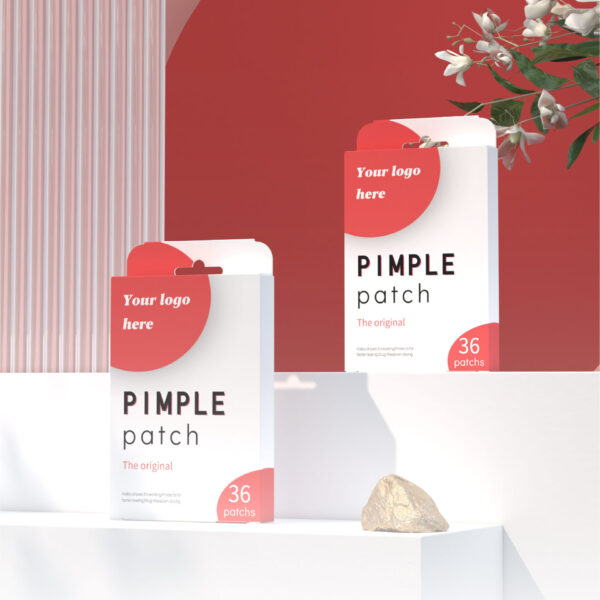
_画板-1-1-300x300.png)